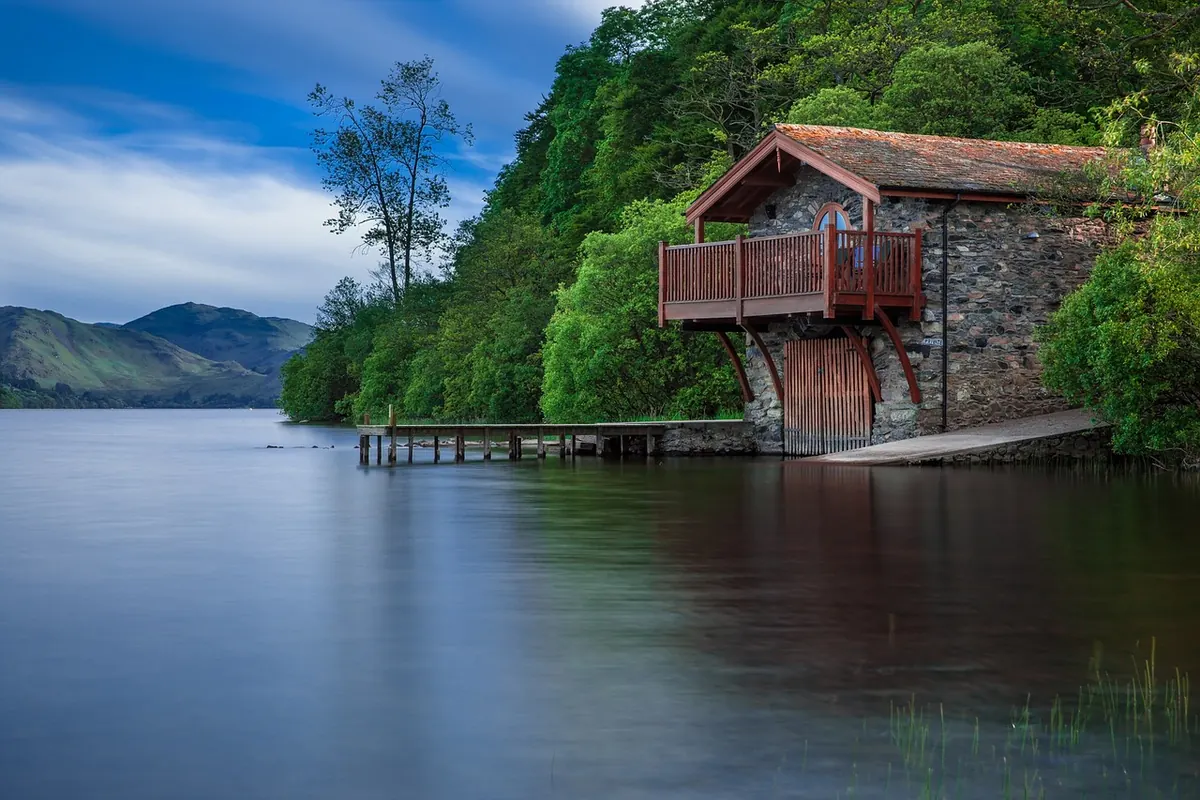
The listing photo shows a dock, a canoe, and light coming through the pines at that golden angle that makes anyone with a savings account start doing math. What the photo doesn't show is the septic bed that has been limping along since the eighties, the well that runs thin in August, or the fact that the road in is privately maintained and plowed by whoever feels like it. Buying a cottage is not the same as buying a house in town. The systems are different, the risks are different, and a surprising amount of what matters never makes it into the listing.
None of this should stop you from buying. It should change how you buy.
Skipping the inspection, or hiring the wrong one
A cottage inspection is its own specialty. A general home inspector who mostly handles suburban houses may never have opened a lake-water intake or crawled under a three-season bunkie. Ask what the inspector actually checks: the dock and its footings, retaining walls, boathouse framing, roof, chimney, foundation, and the moisture problems that come from a building that sits unheated for months at a time.
Two things buyers get wrong here. First, they rely on a knowledgeable friend's walkthrough instead of a paid inspection. Second, they book the inspection but never confirm the inspector can reach the property in shoulder season, when access might be by boat or a long walk. If you can't get there in November, you have a question to answer, not a detail to ignore.
Expect a proper inspection to flag things it can't evaluate — most home inspectors won't certify a septic system or a well. Those need their own specialists, and you should budget for both.
Treating the septic system as an afterthought
Septic is where cottage budgets go to die. A failed bed can mean tens of thousands of dollars, plus permits, plus a season of disrupted use. Before you remove conditions, find out:
- How old the system is, and whether there are records of pump-outs
- Where the tank and bed are located, so you know not to park a truck on them
- What type of system it is, and whether it meets current requirements for the number of bedrooms
- Whether the municipality or health authority has any complaints or permit history on file
Walk the property in late summer. Lush green grass over the bed while everything else is brown, a faint smell, soggy ground, or drains that gurgle slowly are all worth investigating. So is capacity: a system sized for a two-bedroom cabin does not magically absorb a family of six plus guests. If the septic can't handle how you intend to use the place, price that in — approvals to expand are rarely quick or simple. Rules vary widely by region, so confirm requirements with your local authority and get a qualified septic contractor's opinion in writing.
Assuming the water is fine
Water is the second quiet expense. If the cottage has a well, ask about depth, flow rate, when it was drilled, and whether it has ever gone dry in late summer. Test the water for bacteria and the minerals common in your area rather than trusting that it "tastes fine." If water is drawn from the lake, ask about the intake line, filtration, winter freeze-up, and how you'd handle a boil-water advisory.
Then there's water access, which is a legal question as much as a practical one. Is the shoreline deeded with the property, or is it a shared right-of-way? Is the dock permitted? Is the road a public road or a private one maintained by an association with annual dues? Is there a floodplain or erosion issue? These are exactly the questions a local real estate lawyer should review before you sign. Cottages often have unusual title arrangements that a standard purchase template won't surface.
Buying insurance last
Insurance is not a formality once you're outside the city. Seasonal and vacant properties are viewed differently, and insurers care about things like distance from the nearest fire station, the age of the roof and wiring, wood stoves, and whether the place is heated year-round. A wood stove may need to be certified by a qualified technician before an insurer will cover it.
Get quotes before you firm up your offer, not after. Call an insurance broker, describe the property honestly, and ask what would need to change for coverage. Financing deserves the same early check: lenders may be cautious about properties without year-round access, and appraisers need comparable sales, which can be thin in cottage country. Talk to a mortgage professional and a lawyer early rather than discovering the problem in the final week.
Underestimating the ongoing costs
The purchase price is the beginning of the ledger. Cottage ownership comes with a second set of bills that most first-time buyers never model:
- Road association fees, plowing, and grading
- Propane or oil delivery to a place you visit on weekends, plus firewood
- Winterizing, opening and closing the water system each season
- Septic pump-outs, water testing, well or pump repairs
- Dock repairs, boat and motor maintenance, storage, insurance
- A generator, tools, mower, snowblower, and the fuel to run them
- Property taxes at the cottage rate, plus any municipal fees
- Travel — every weekend, both ways, for years
Add a repair fund on top. Something major will need replacing in the first few years, and it's easier to plan for it than to be surprised by it.
Not testing the practicalities
Drive the route on a Friday evening in July, then again on a snowy Sunday in February if you can. Check cell service, internet options, the nearest hospital, and how far you are from a grocery store and a hardware store. If the cottage is boat-access only, picture carrying groceries and a child's car seat down a dock in the rain. Attractive in August, sobering in November.
How to buy well
Write an offer with conditions that protect you: financing, a satisfactory inspection, a septic evaluation, water testing, and a review of the title and any access arrangements by a lawyer. Use those conditions to gather real information rather than as a formality, and be willing to walk away if the answers are bad.
Then build a first-year budget that includes the purchase, the closing costs, the immediate repairs, and the annual running costs. Sit with it for a week. If the numbers still work and the drive still feels worth it, you're not buying a fantasy — you're buying a cottage, with your eyes open.
Photo: FrankyFromGermany / Pixabay