A cottage garden in Zones 3, 4, or 5 does not reward improvisation. With a growing season that can run as short as 90 days — last frost in late May for Zone 3, first frost by early September — every week of preparation counts. The tight calendar is also a gift: it forces good habits. You start seeds early because you have to. You harden plants off properly because a lost week in June is a lost month by August. Here is how the year actually breaks down.
Pin Down Your Frost Dates Before Anything Else
Zone maps give you a range, not a promise. Your county extension office or a nearby weather station will have median last-frost and first-frost dates for your area. Notice the word median — that means half the years the frost comes earlier. Treat your last-frost date as a coin toss and add a week of cushion. Write both dates on a board in the shed. Everything below hangs on them.
Late Winter: Plan, Order, Start
January
Order seeds now, especially from small growers who sell out by March. Take inventory of what you already have and check germination rates on anything older than three years by sprouting a few seeds on a damp paper towel. Sharpen pruners, oil handles, scrub pots with soapy water. Check stored dahlia tubers and canna rhizomes; anything soft or moldy goes out.
February
Start the slow growers indoors: onions and leeks need ten to twelve weeks before last frost, celery about the same, pansies eight to ten. Set seedlings under lights or in the brightest south window you have and keep the light two inches above the leaves. Leggy, pale seedlings almost always mean the light is too far away or too weak.
March
Start peppers eight to ten weeks out, tomatoes six to eight, brassicas four to six. This is also the month for winter sowing — sowing hardy perennials and annuals in vented milk jugs and leaving them outside to freeze and thaw. The jugs act as mini greenhouses and the seedlings emerge when the timing is right, no hardening off required.
Prune while plants are still dormant: fruit trees, roses, and summer-blooming shrubs like hydrangea paniculata and potentilla. Do not prune lilac, forsythia, or other spring bloomers now — they set their flower buds last summer, and you would be cutting off the show.
- Start indoors: onions, leeks, celery, pansies, peppers, eggplant, tomatoes, broccoli, cabbage, kale
- Winter sow outdoors: coneflower, columbine, lupine, hollyhock, poppies, larkspur
- Direct sow, only if the ground is workable: nothing yet in Zone 3; spinach and peas in Zone 5 by late March
Spring: The Rush Before the Frost-Free Date
April
Direct sow the cold crops as soon as the soil can be worked — peas, spinach, lettuce, radishes, carrots, beets, chard. Test before you till: squeeze a handful of soil, and if it holds a ball that does not crumble, it is still too wet. Working wet soil ruins structure for years.
Divide perennials while new growth is only an inch or two tall: daylilies, hostas, phlox, asters, grasses. Lift the clump, split it with a spade or two forks, and replant the healthiest sections. Pull winter mulch off strawberries gradually rather than all at once.
May
May is the month that decides your summer. Begin hardening off transplants about ten days before you plan to plant, and keep an eye on the forecast the whole time.
- Day 1–2: two hours outdoors in filtered shade, then back inside.
- Day 3–4: four to five hours, morning sun only.
- Day 5–6: full sun for most of the day, brought in at night.
- Day 7–8: overnight outdoors, if temperatures stay above 45°F.
- Day 9–10: plant out, ideally on a cloudy day or in the evening.
Wait for soil to reach about 60°F before planting tomatoes, peppers, squash, cucumbers, and beans — a soil thermometer costs little and prevents more losses than any other tool. Plant dahlia tubers after the last frost, and keep row cover or buckets handy; late frosts in Zones 3 and 4 are common into early June.
Summer: Keep It Growing
June
Mulch everything to hold moisture and cool the soil. Water deeply once or twice a week rather than lightly every day — shallow watering grows shallow roots. Stake tall perennials before they flop, not after. Pinch chrysanthemums and asters once before mid-June for bushier plants and more blooms.
July
Deadhead spent annuals to keep them flowering. Sow a second round of beans and lettuce, and start fall crops of kale, turnips, and radishes by mid-to-late July; they grow fast in warm soil and finish before frost. Stop fertilizing woody plants — new growth needs time to harden before winter. Take cuttings of geraniums and coleus now if you want to overwinter them indoors.
August
Keep harvesting. Pick zucchini and beans young; leaving them on the plant slows production. Let some seed heads stand — echinacea, rudbeckia, and sunflowers feed birds through fall and give winter structure. Order spring-flowering bulbs now while selection is best.
Autumn: Harvest, Divide, Protect
September
Zone 3 can see frost this month, so watch forecasts and pick tomatoes at the first blush before a hard freeze — they ripen fine on a kitchen counter. Plant garlic four to six weeks before the ground freezes so it roots but does not sprout. This is prime time to plant daffodils, tulips, and alliums. Divide peonies and iris if they need it.
October
Cut back most perennials after a killing frost, but leave stems six to eight inches tall rather than flush with the ground, and leave hollow stems and seed heads standing for overwintering insects and birds. Remove and trash any diseased foliage — do not compost it. Drain hoses and shut off outdoor taps.
November
Wrap the trunks of young fruit trees against sunscald and rodents, using hardware cloth rather than anything that traps moisture. Mulch perennials, but wait until the ground has frozen or at least cooled substantially — mulching warm soil invites voles to spend the winter in comfort.
December: Rest and Review
Clean and oil tools before storing them. Sketch what worked and what didn't while you still remember: the bed that stayed soggy, the variety that produced nothing, the spot that needs more compost. Order next year's seeds from that sketch.
Working With a Short Season
The gardeners who succeed in Zones 3 through 5 are not the ones with the most elaborate setups. They are the ones who trust their frost dates, add a week of margin, and do the small task on time instead of the big task too late. Keep a notebook, keep a soil thermometer, and accept that some years the frost wins. Then plant again in spring — the checklist will be waiting.
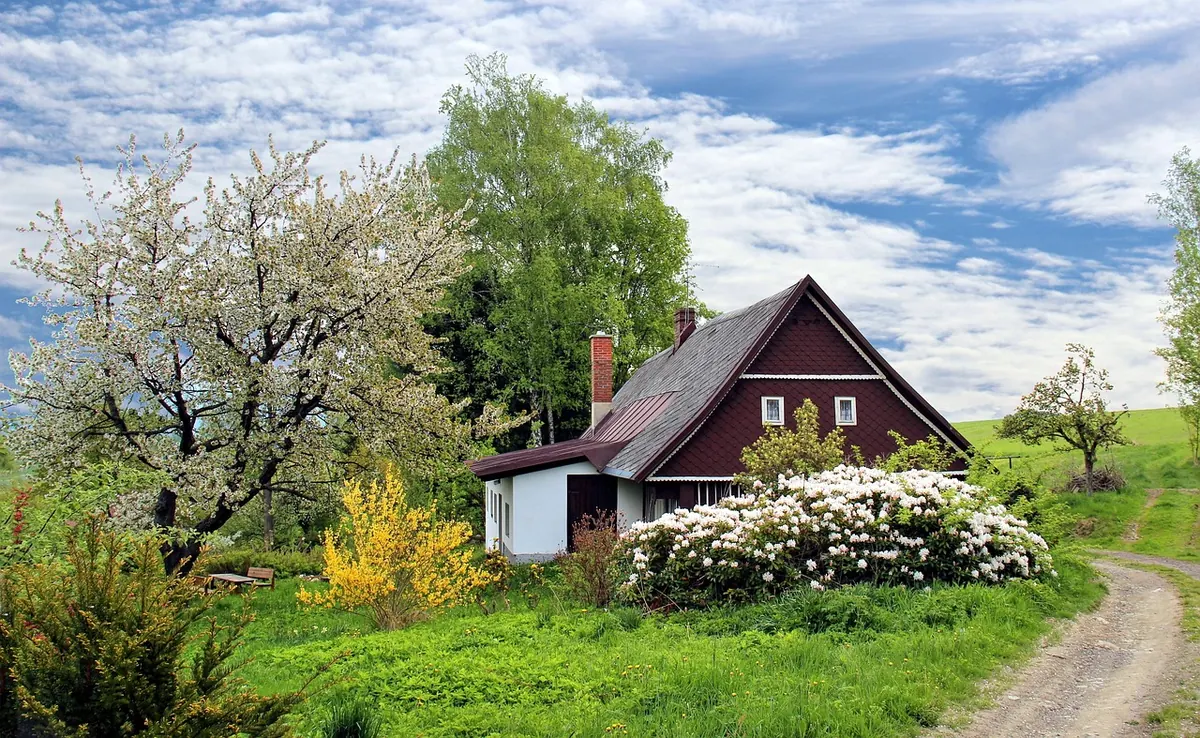
Photo: Stanly8853 / Pixabay