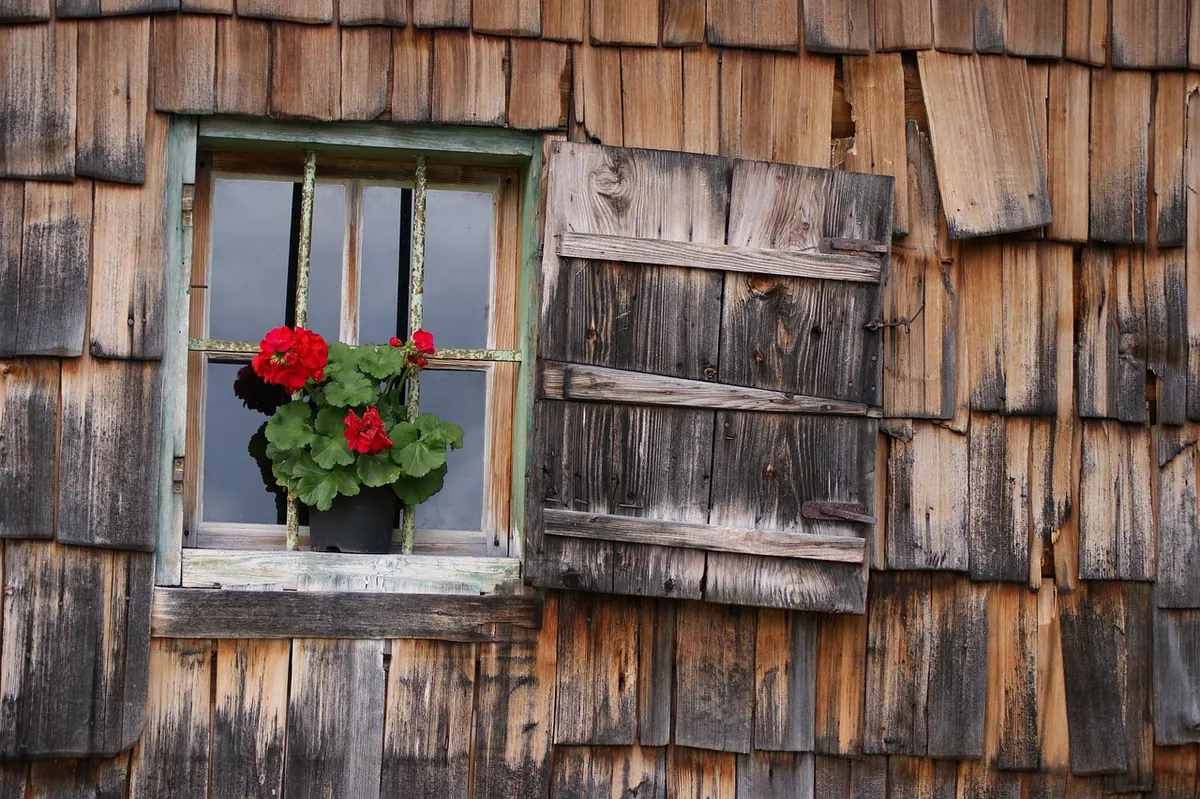
Ask five people to describe a cottage and you'll get five different answers. To one, it's a cedar-shingled place on a lake with a dock and a screen door that slams. To another, it's a stone-walled farmworker's house in the English countryside with ceilings low enough to duck under. Cabins and bungalows have the same problem: the words describe a feeling as much as a floor plan. That looseness is fine at a dinner party, but it gets expensive when you're shopping, budgeting for upkeep, or explaining to a contractor what you actually bought. Here's how the three types differ in structure, care, and the kind of life each one supports.
What Makes a Cottage a Cottage
In North America, "cottage" usually means a seasonal home near water. The original structure was often small — a sleeping room, a kitchen, a porch — and grew by addition every generation: a bunkie out back, a screened dining room, a bathroom wedged into what used to be a closet. That patched-together history is part of the charm and part of the headache.
In Britain and Ireland, the word means something different: a small, old rural dwelling, often stone or brick, with low ceilings, deep window reveals, and a garden that matters as much as the house itself.
What unites both versions:
- Generous windows or a porch oriented to the view, the water, or the garden
- Painted wood, shingle, or stone rather than sleek modern cladding
- Rooms that are small and separate instead of open-plan
- A mudroom, entry porch, or boot bench doing heavy daily work
Maintenance is where the romance meets reality. Cottages sit close to water, and water is hard on buildings. Expect to think about roof and eaves, exterior paint, damp crawlspaces, septic systems, wells or pumps, and the annual rhythm of opening in spring and closing in fall. If you want a place that looks after itself, a cottage is not that place.
What Makes a Cabin a Cabin
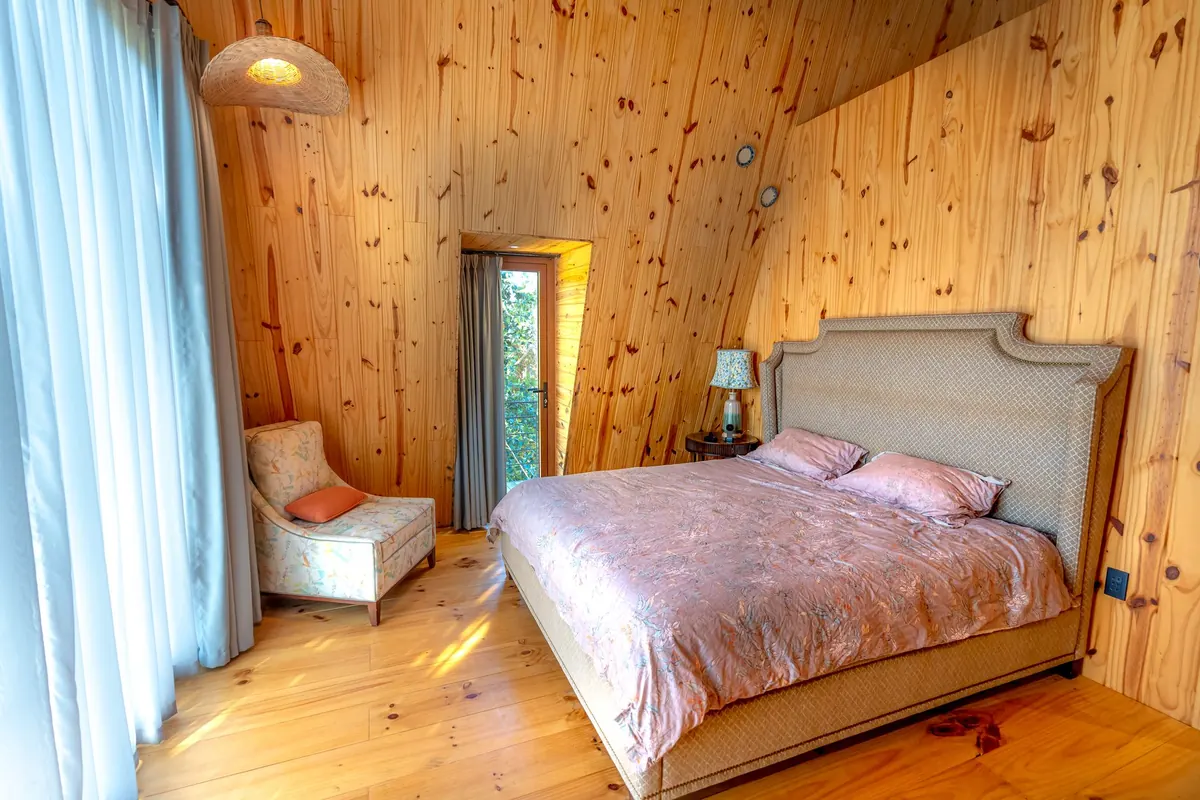
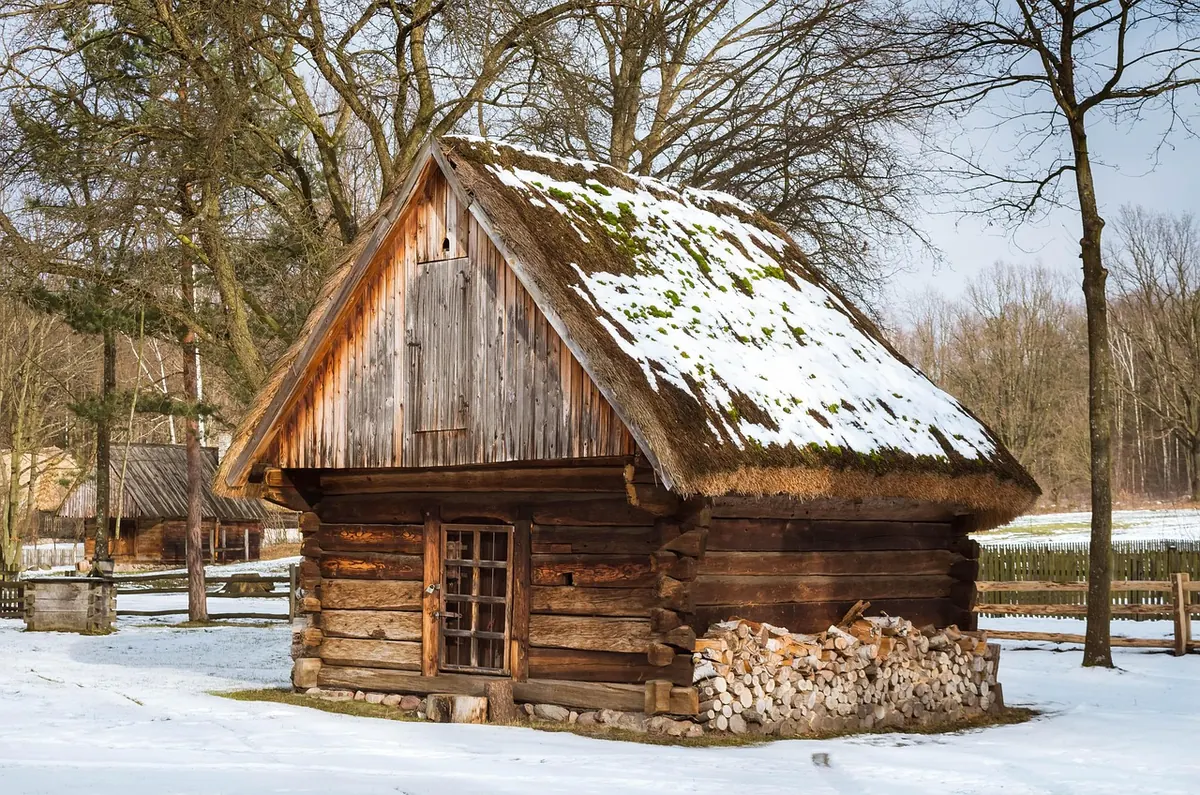
A cabin is defined by its material and its scale. Log, timber frame, or board-and-batten walls; a steep gable roof to shed snow; one main room with a wood stove and often a sleeping loft above. Cabins were built as shelter first — hunting camp, logging bunkhouse, trapper's line shack — and that utilitarian DNA survives in even the most comfortable modern versions.
Typical features include:
- Exposed logs or beams and an open main floor
- Wood heat as the primary source or a serious backup
- A shallow foundation, sometimes piers or a slab
- Smaller windows and roof pitches designed for snow load
- Limited plumbing in older examples; seasonal water or an outhouse
The trade-off is cyclical maintenance. Logs need cleaning, staining, and sealing on a regular schedule, and chinking cracks and has to be repaired. Chimneys need sweeping. Rodents and insects treat an unoccupied cabin as a vacancy sign. And if the road in isn't plowed or graded, winter access becomes a project of its own.
Bungalows: Small House, Big Practicality
A bungalow is a house type, not a vacation type. It's one storey, or one and a half with dormers, with a low-pitched roof, wide eaves, and usually a front porch. The Craftsman bungalow of the early twentieth century is the classic North American example; the same idea shows up in coastal cottages and British seaside towns.
Because a bungalow is built for year-round living, its systems are conventional: a furnace or heat pump, a full foundation, municipal or well water, standard electrical. Maintenance is predictable — gutters, roof, exterior paint or siding, and the usual seasonal chores — and a smaller footprint means less of nearly everything. Stairs are minimal, which matters if you plan to stay put as you get older.
Comparing the Three at a Glance
- Cottage — setting: waterfront or rural; footprint: modest but often added to over decades; signature space: porch or dock; best for: summer weekends, family gatherings, slow mornings; upkeep: seasonal opening and closing, moisture, shoreline issues.
- Cabin — setting: woods, lake, or remote land; footprint: small, one room plus loft; signature space: the hearth; best for: quiet retreats, off-grid weekends, snow and firewood seasons; upkeep: log care, chimney, pest control, access roads.
- Bungalow — setting: town, village, or a residential lot; footprint: compact, single storey; signature space: front porch; best for: full-time living, downsizing, rental income; upkeep: steady, predictable, year-round.
Matching the Building to Your Lifestyle
Choose a cottage if
You'll actually use it in summer, you enjoy small projects, and you don't mind that the place has a personality of its own. Cottages reward people who like hosting, swimming, and puttering. They punish people who live far away and visit twice a year.
Choose a cabin if
You want privacy, a wood stove, and fewer rooms to clean. Cabins suit people who are comfortable being a bit handy — splitting wood, running a chainsaw, coaxing a temperamental pump back to life — and who value the trip in as much as the destination.
Choose a bungalow if
You want the cottage feeling without the seasonal logistics. A bungalow near water or on a quiet street gives you the porch, the small scale, and a furnace that works in January. It's the most sensible choice for aging in place, working from home, or buying something you might rent out later.
Plenty of buildings blur the lines: a bungalow with a cottage garden, a cabin on a full foundation with fibre internet, a cottage that's been winterized and now lives as a year-round home. That's normal. The label matters far less than the systems inside it.
The right question isn't "which word describes it" but "what will this building ask of me in February?"
Before You Commit
Whatever you call it, inspect the things that cost the most to fix: roof, foundation, water supply, septic, electrical, and heating. Ask how the place is used in winter — a cottage that has never been winterized will need insulation, heat, and plumbing work before it can be. Check local rules on shoreline work, wells, septic, and short-term rentals, because these vary widely by region and shape what you're allowed to do. For anything involving permits, taxes, financing, or a septic system, talk to a local inspector, lawyer, or accountant rather than relying on a listing description.
Then visit on a rainy Tuesday, not a sunny Saturday. The type of building you choose should match the life you'll actually live there, not the version you imagine in July.
Photo: suju-foto / Pixabay