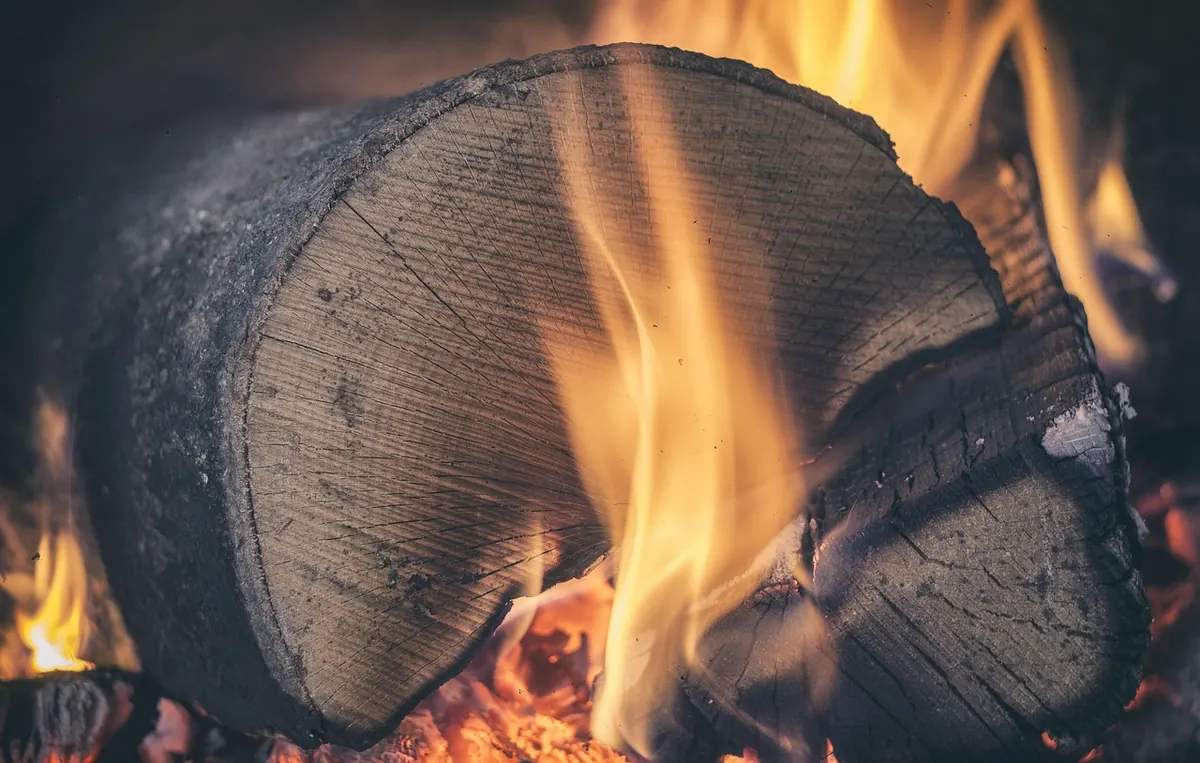
A wood fire in a cottage is more than heat. It is the sound of a split settling, the smell of cold air warming in the flue, the reason everyone drifts into the same room after supper. It is also machinery, and like any machinery it rewards a little attention in autumn and a willingness to clean up in spring. If you have just bought a place with a stove, or inherited a fireplace nobody has lit in years, this is where to begin.
Before the First Fire of the Season
Start with the fireplace itself. Open the damper and look up. Check the firebox for cracked firebricks, crumbling mortar, rust flakes, or a door gasket that has gone hard and flat. In an open fireplace, confirm the screen or glass doors still close properly. Then go outside and look at the chimney from a safe distance: a missing cap, loose flashing, or a crown with a crack in it all mean water is getting in, and water does more long-term damage to a chimney than fire does.
If the chimney has not been swept in living memory, do not guess. A certified chimney sweep will remove creosote, check for blockages such as bird nests, and tell you whether the liner is sound. This is not a job to improvise with a length of chain and a ladder. Ask the sweep to explain what they find, and if they raise questions about clearance to framing or a failing liner, take them seriously and get a second opinion from a qualified contractor.
Insurance and building codes vary by region and by the type of appliance you own, so it is worth a call to your insurer and a look at your local requirements before your first burn. A short conversation now can save a difficult one after a claim.
The Small Kit That Earns Its Space
You do not need much, but the few things you do need should live beside the hearth rather than in the shed.
- A metal ash bucket with a tight lid. Ash stays hot for days. It goes outside, on stone or gravel, never on a wooden porch or in a plastic bin.
- Long stove gloves. Leather, cuff to elbow. You will use them more than you expect.
- A poker, a rake, and a small shovel. The rake pulls coals forward; the shovel handles ash; the poker does everything else.
- A stiff brush and a dustpan for the hearth, plus a dedicated vacuum if you have one you don't mind retiring to soot duty.
- A moisture meter. Inexpensive, and the single best way to stop burning wet wood.
- A stove or flue thermometer if you have a wood stove. It turns guesswork into feedback.
- A fire extinguisher, smoke alarms, and a carbon monoxide alarm. Non-negotiable in a cottage where the stove runs all winter.
Firewood Does Most of the Work
Most disappointing fires are a fuel problem, not a technique problem. Seasoned wood splits easily, has visible cracks in the end grain, sounds hollow when two pieces are knocked together, and reads somewhere around 15 to 20 percent moisture on a meter. Freshly cut wood, by contrast, spends most of its energy boiling off its own water, which cools the fire and sends unburned gases up the flue, where they condense as creosote.
Split your wood before stacking it, keep it off the ground on pallets or rails, and cover only the top so air moves through the sides. A full year of drying is a reasonable target for most hardwoods, two years is better. Never burn painted or pressure-treated lumber, plywood, or driftwood, all of which release things you do not want in your living room. Keep a small bin of dry kindling and a few natural firelighters indoors so you are not tempted to grab damp wood on a cold night.
How to Lay a Fire That Burns Cleanly
Smouldering fires produce the most smoke and the most creosote. Lively fires produce the least. The top-down method gets you there with less fuss than the old pile-of-newspaper approach.
- Open the damper and the air control fully before you do anything else.
- Lay two or three medium splits on the floor of the firebox, parallel, with a little space between them.
- Crisscross smaller splits on top, then a handful of kindling, then two or three firelighters on the very top.
- Light the top. Leave the door cracked for a minute or two, then close it and watch the flames through the glass.
- Once the kindling is caught, reduce the air gradually. You want bright, active flames, not a roar that pulls heat up the chimney.
- Add logs in pairs rather than one at a time, and resist poking the fire every few minutes. Ash and coals need to stay put.
Habits for the Burning Season
Rake coals to the front of the firebox before adding wood, and leave an inch or so of ash on the floor as insulation. Empty the ash pan when it fills, always into the metal bucket, always outside. Wipe the glass with a damp cloth dipped in fine ash when the stove is cold; it works better than most commercial cleaners and costs nothing.
Step outside occasionally and look at your chimney. A well-run fire produces little visible smoke: a thin wisp that disappears quickly. Thick grey or white smoke rolling out means the fire is starved of air or the wood is wet, and both are sending creosote up the flue. Some manufacturers allow overnight burns with the air closed down; many do not recommend it, because a slow, cool fire is exactly what deposits tar in a chimney. Read your manual and stay within it.
Spring Shutdown and Annual Upkeep
When the last cold snap passes, let the fire burn out on its own rather than dousing it. Once everything is cold, shovel out the ash, brush down the firebox, and check the door gasket by closing the door on a strip of paper and pulling gently; if the paper slides out with no resistance, the gasket needs replacing. Oil the hinges, touch up any rust spots on a steel stove, and book the sweep for late spring or summer, when schedules are open and soot is dry. Cover the woodpile, check the chimney cap, and look at the mortar and flashing once more before the autumn rains. A little work now makes October much easier.
Safety, Sensors, and One Phone Call
Test smoke alarms monthly and place a carbon monoxide alarm near the sleeping areas and in the room with the stove. Keep rugs, curtains, and firewood at a sensible distance from the hearth, and never use lighter fluid, petrol, or any other accelerant to get a fire going. For health, insurance, or code questions specific to your cottage, speak to a qualified professional rather than relying on a forum thread. The advice is cheap; the alternative is not.
Where to Start This Weekend
Three tasks, in order. Book a chimney sweep and an inspection. Buy a moisture meter and test the wood you already have; anything reading above 20 percent gets stacked for next year, not burned this one. Then gather the kit: bucket with a lid, gloves, poker, shovel, brush, extinguisher, alarms.
Do those three things and you can spend the rest of the winter doing what the fireplace is actually for, which is sitting in front of it with a mug in your hand while the wind works on the windows.
Photo: Pexels / Pixabay